Art
Our aim at Burlington Junior School is to enable pupils to become creative and reflective learners who are able to express themselves fluently and confidently in a variety of different ways.
Within the curriculum, Art will clearly contribute towards this, enabling pupils to respond thoughtfully to different learning and stimuli. Our artists should be able to develop their cultural understanding in a range of contexts, Art being one of them.
We also want our pupils to understand that the perseverance and attentiveness needed to complete an Art and Design project leads to personal pride and gratification.









Year 3
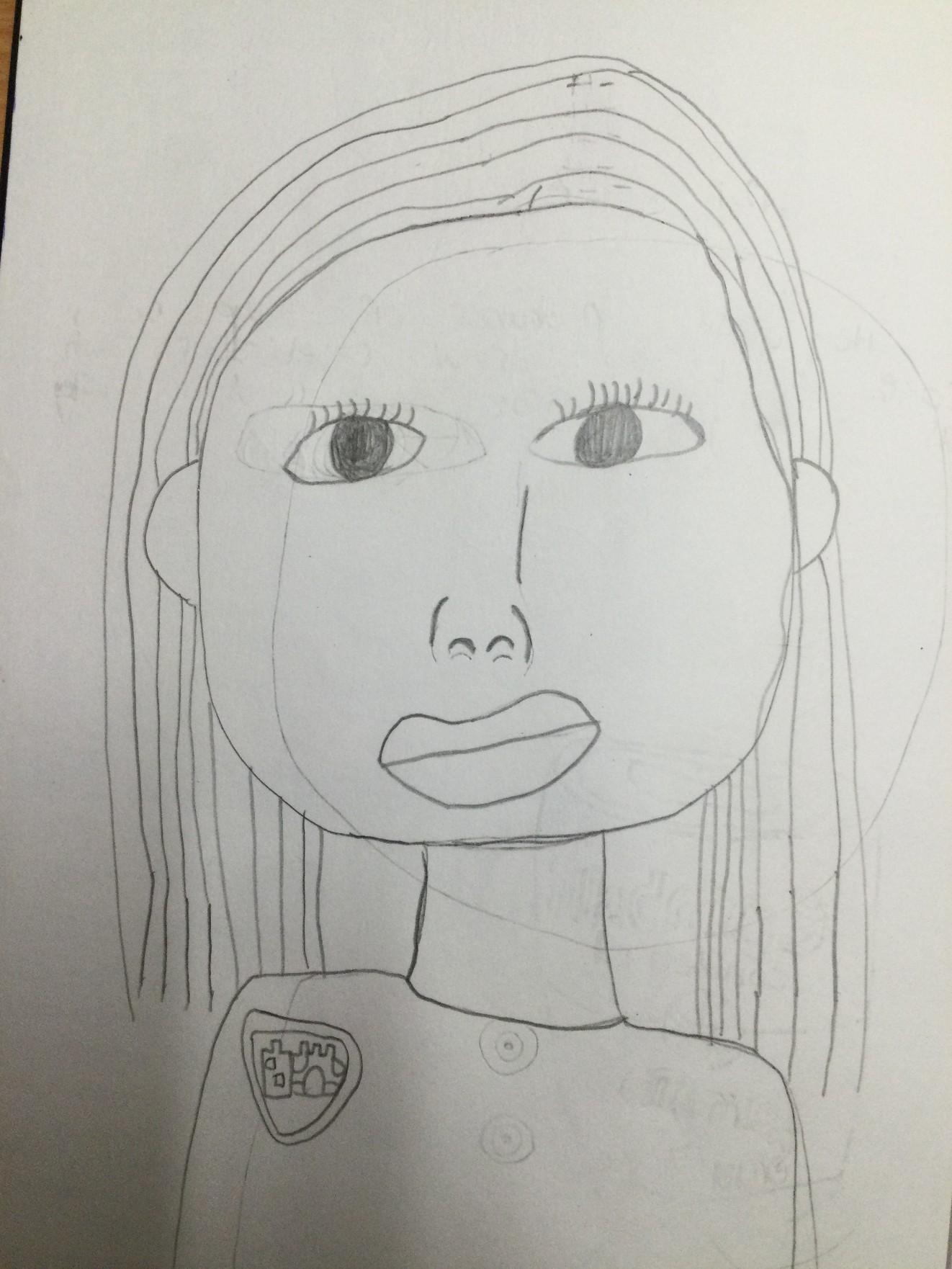
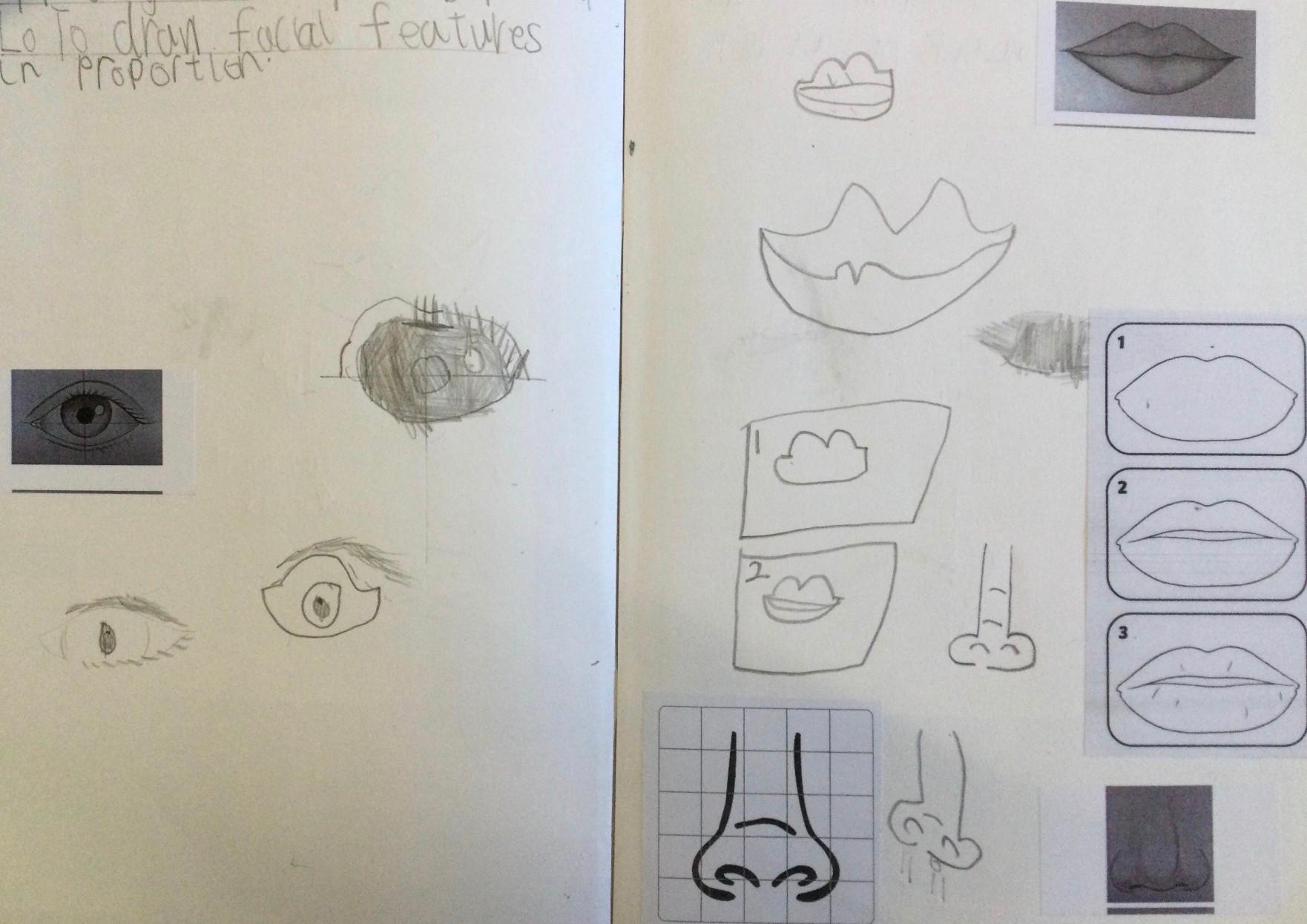
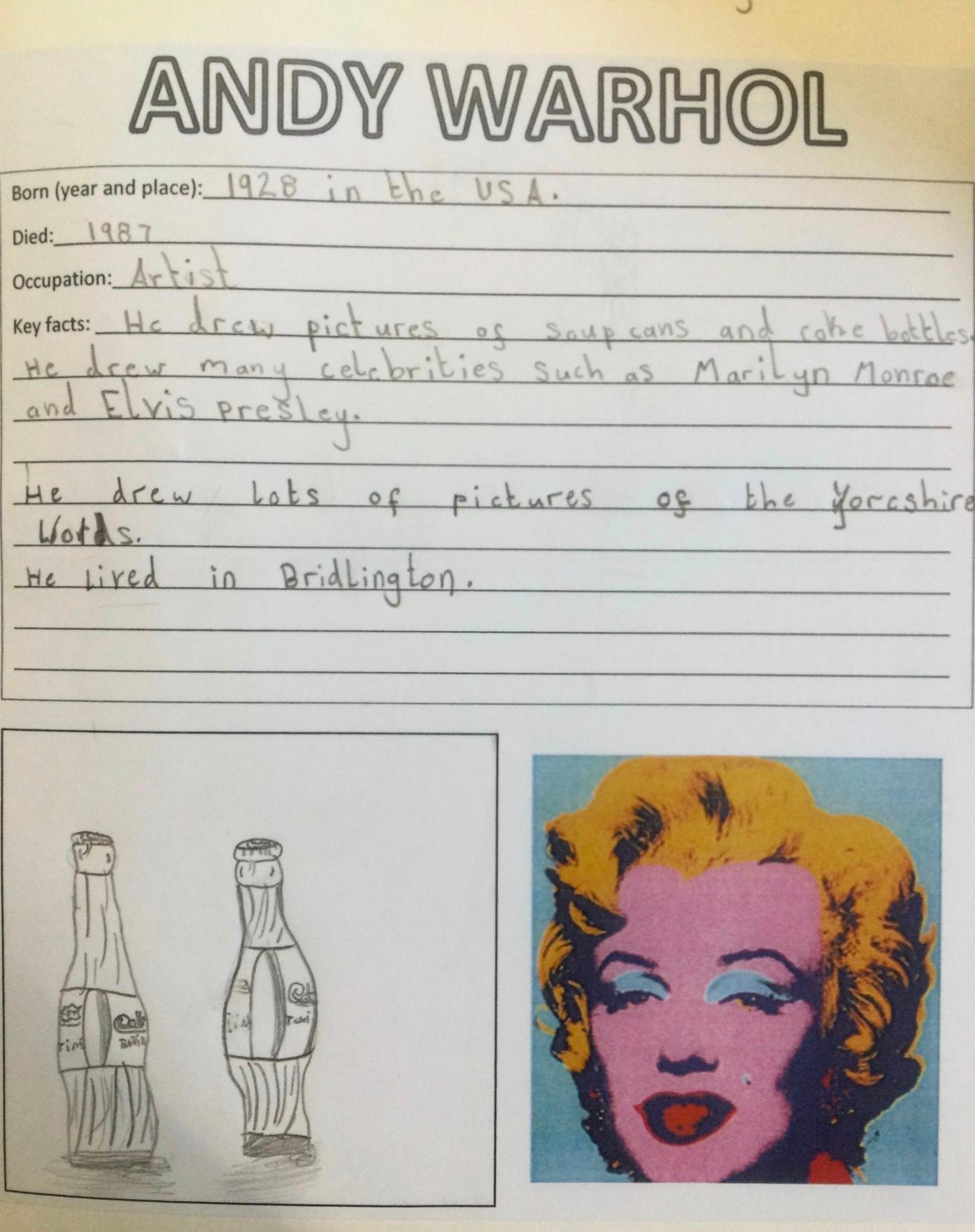
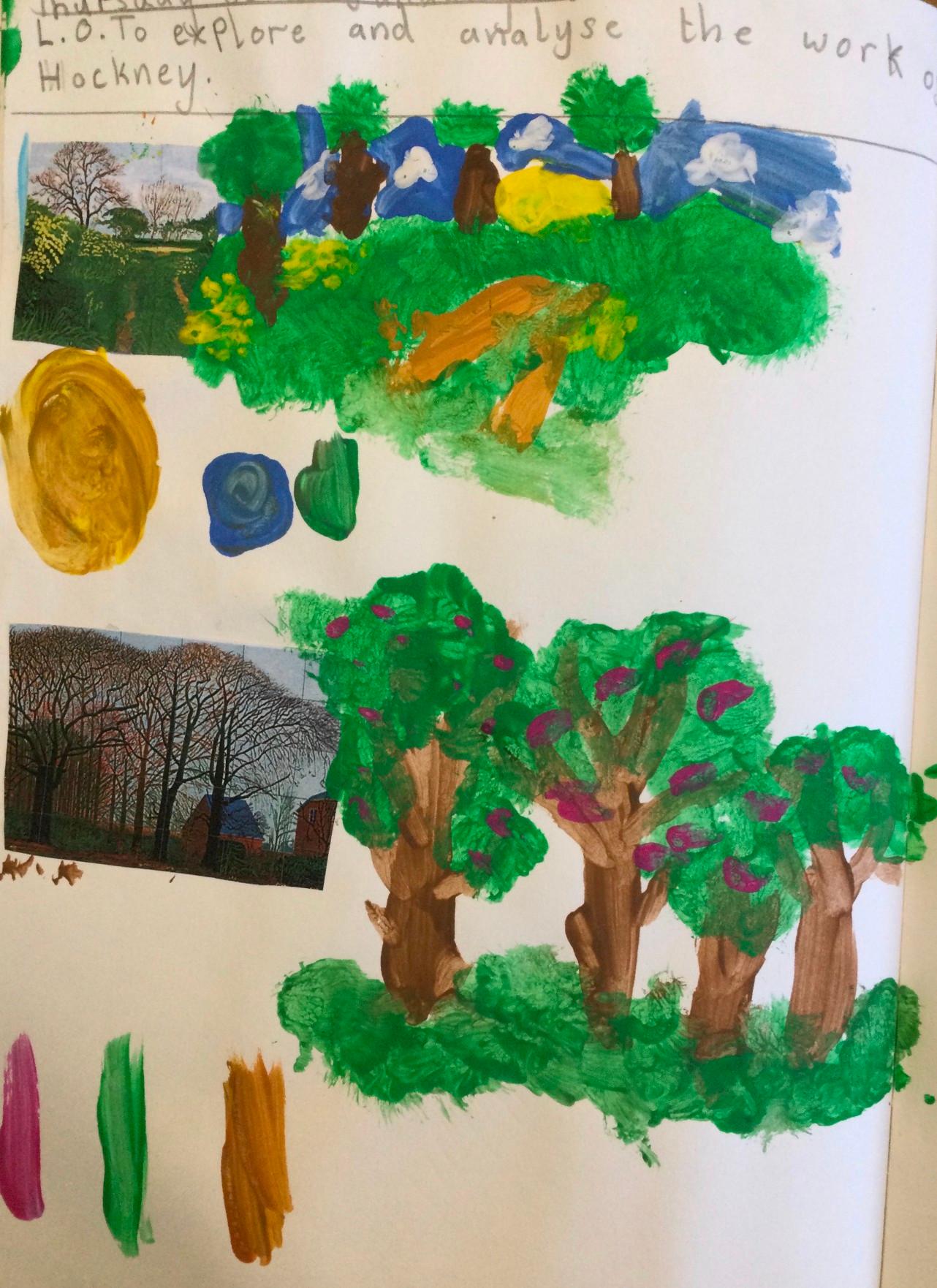
In Year 3, pupils build on Key Stage 1 foundations by developing key artistic skills through a range of media and techniques.
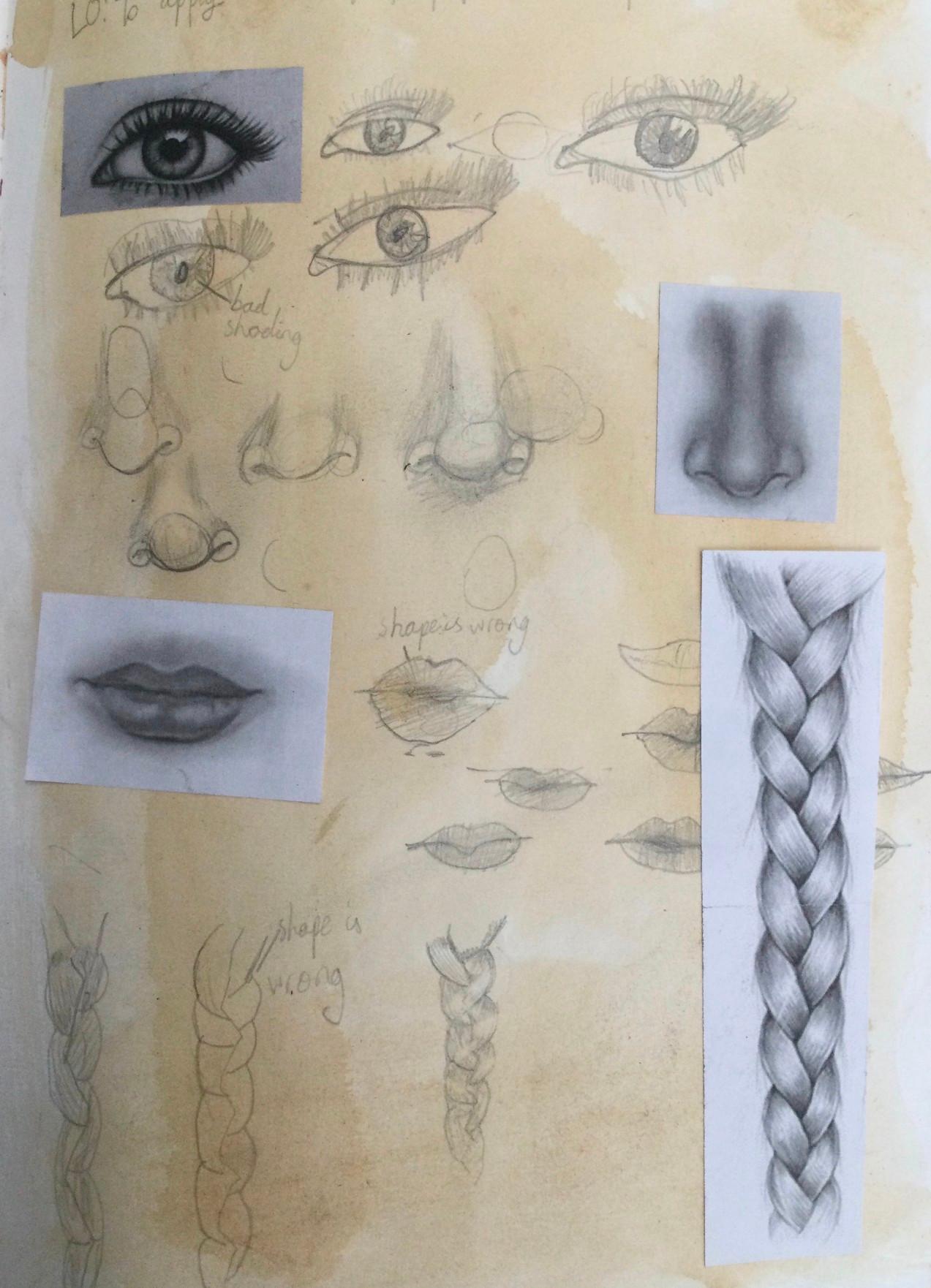
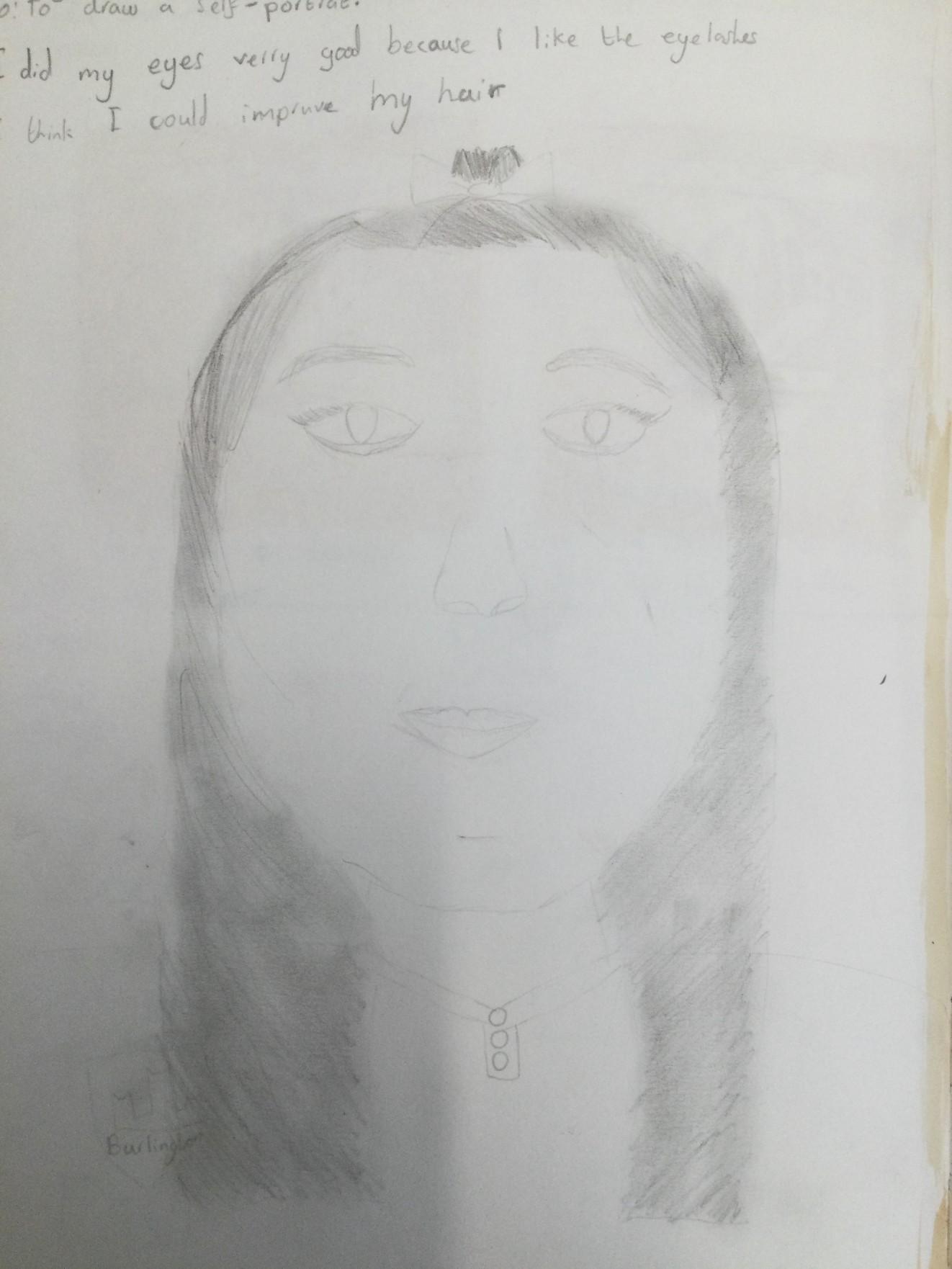
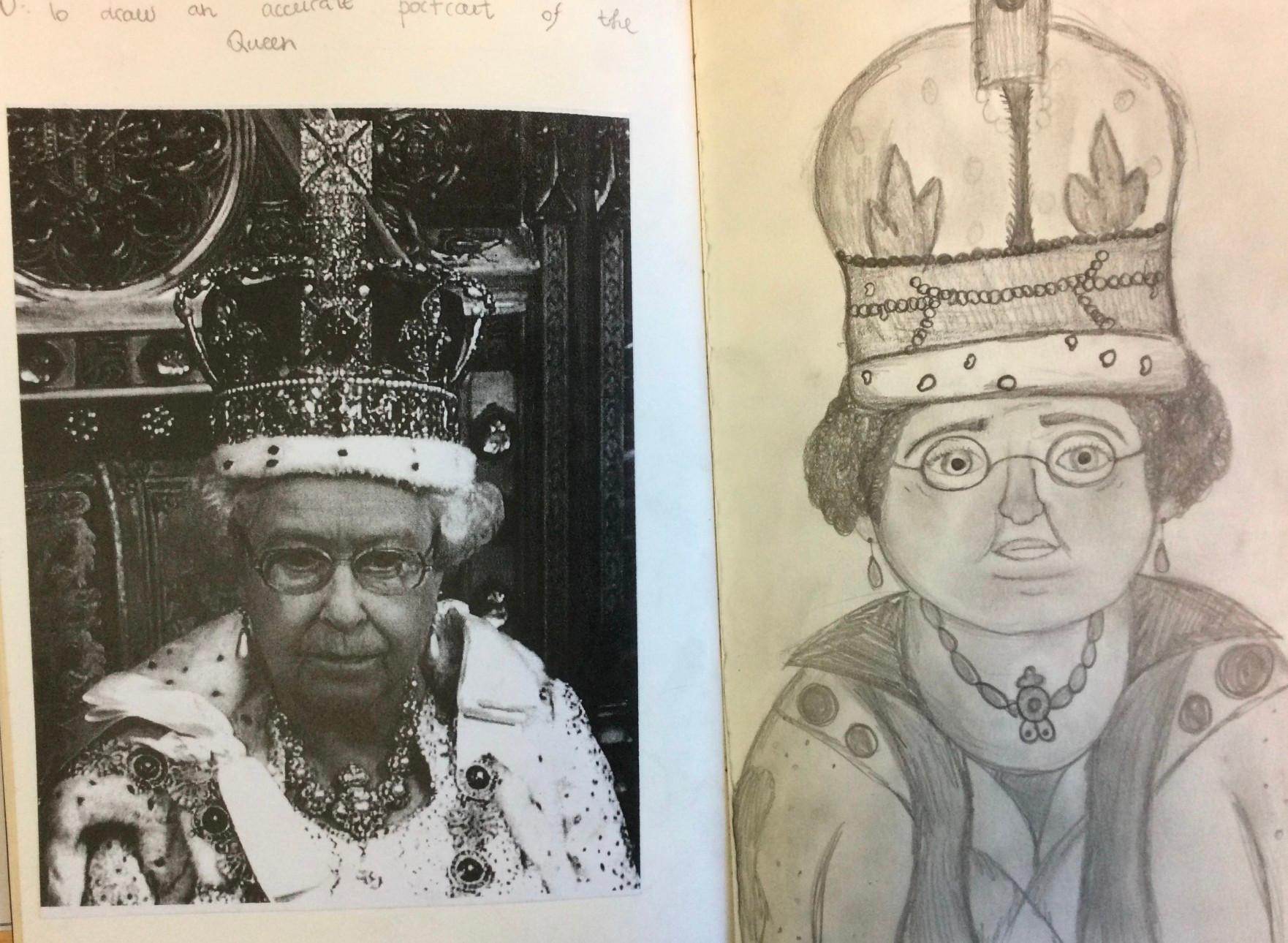
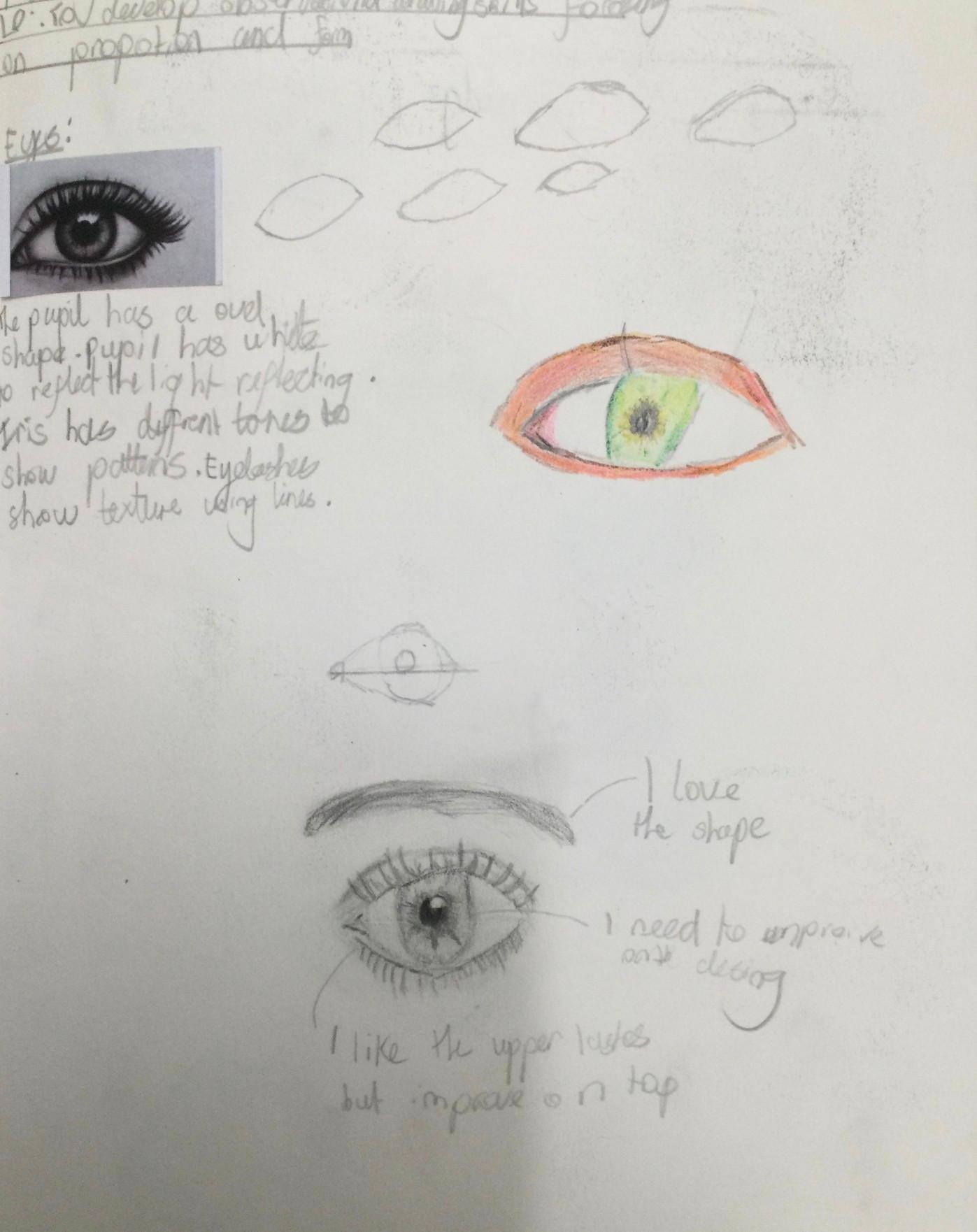
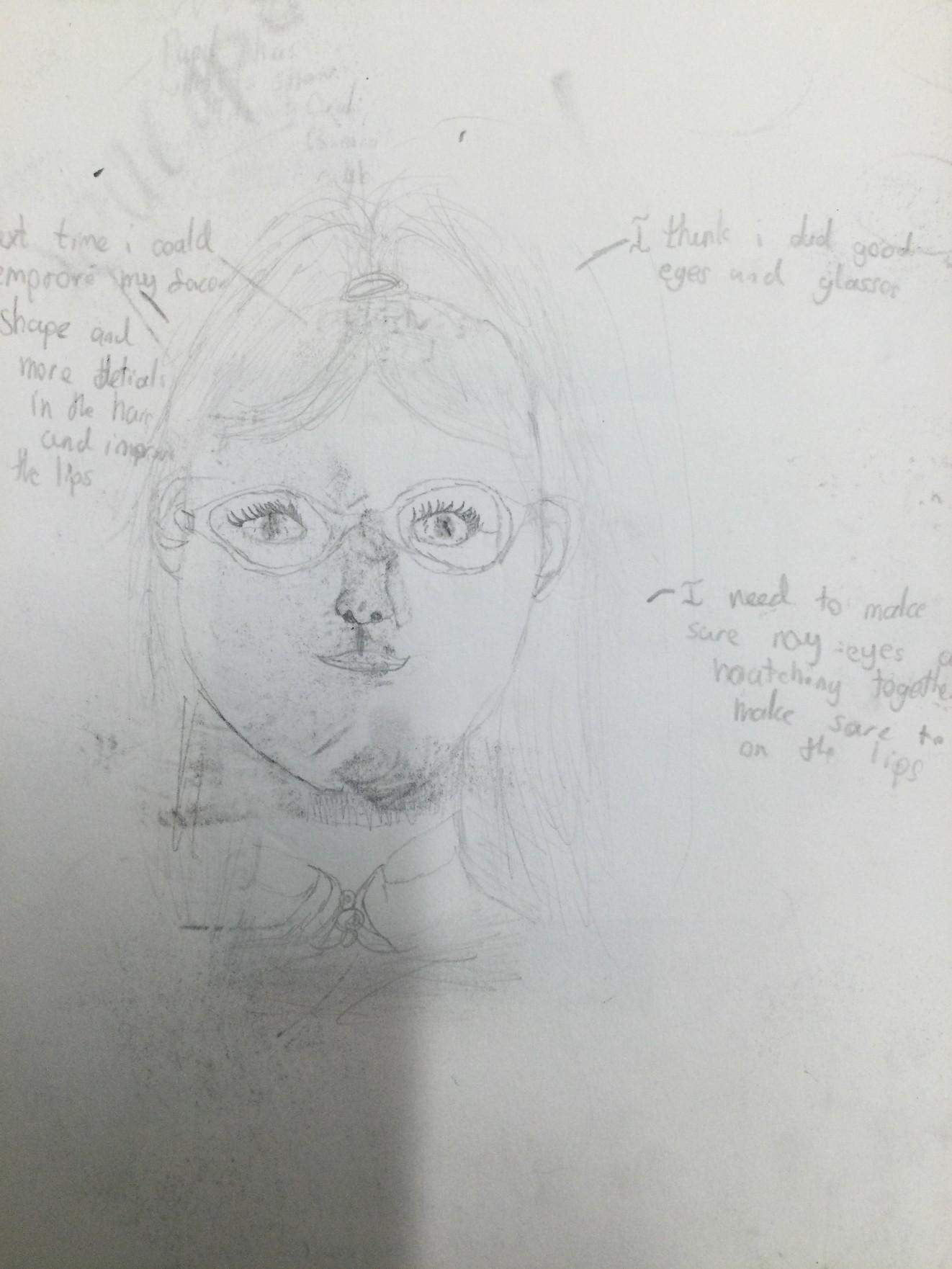
Children begin the year by exploring proportion, line, and tone through self-portrait drawing, encouraging observation and personal expression. Pupils then study the formal elements of colour, learning about primary and secondary colours, colour mixing, and the emotional impact of colour, building a strong foundation in colour theory.
In the Spring, children apply their colour knowledge to landscape painting, exploring depth, perspective, and brush techniques.
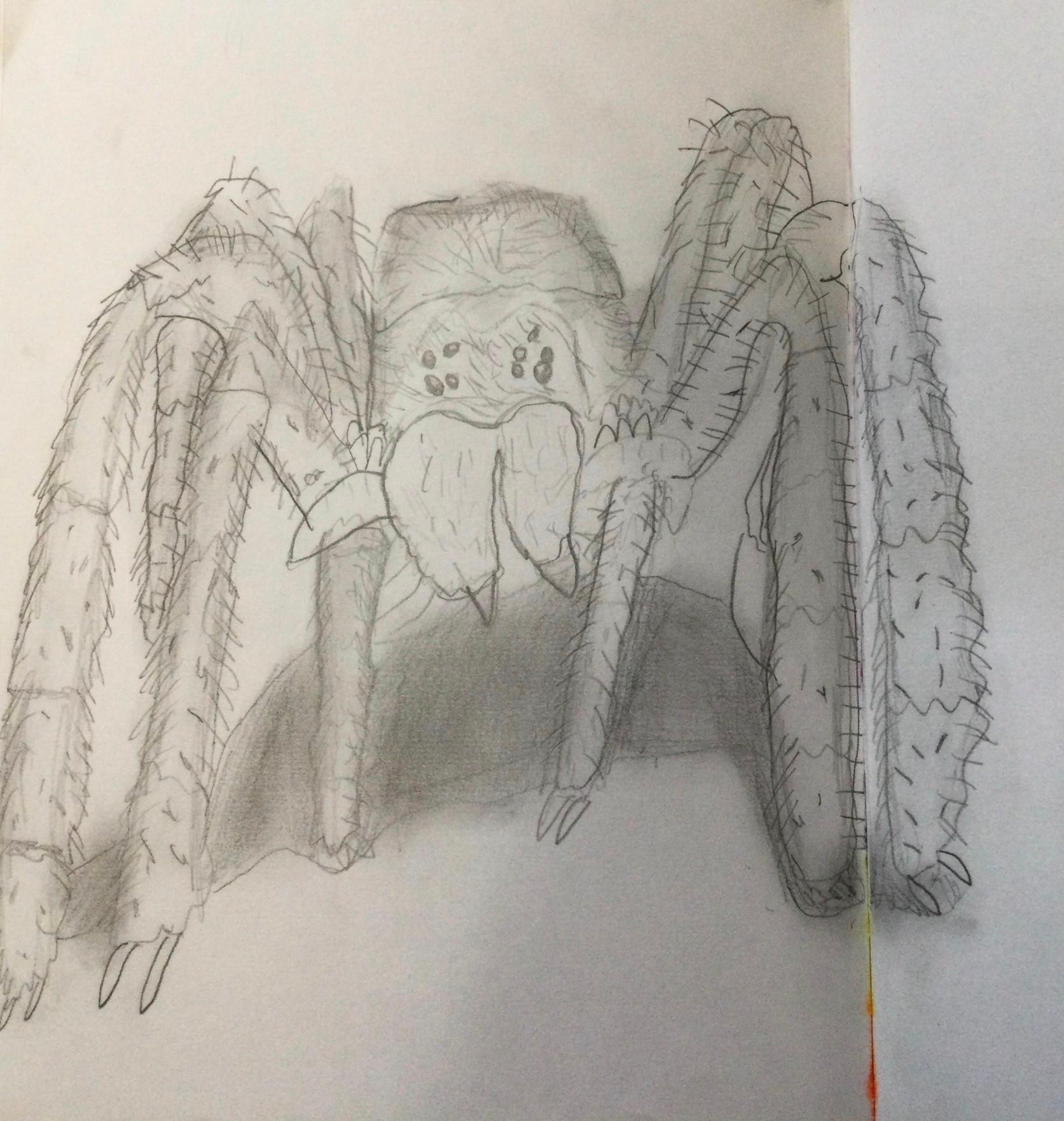
They then move on to formal drawing, where they focus on line, shape, and texture to refine drawing skills.The children then have an introduction to 3D work using clay, learning techniques such as pinching and coiling.
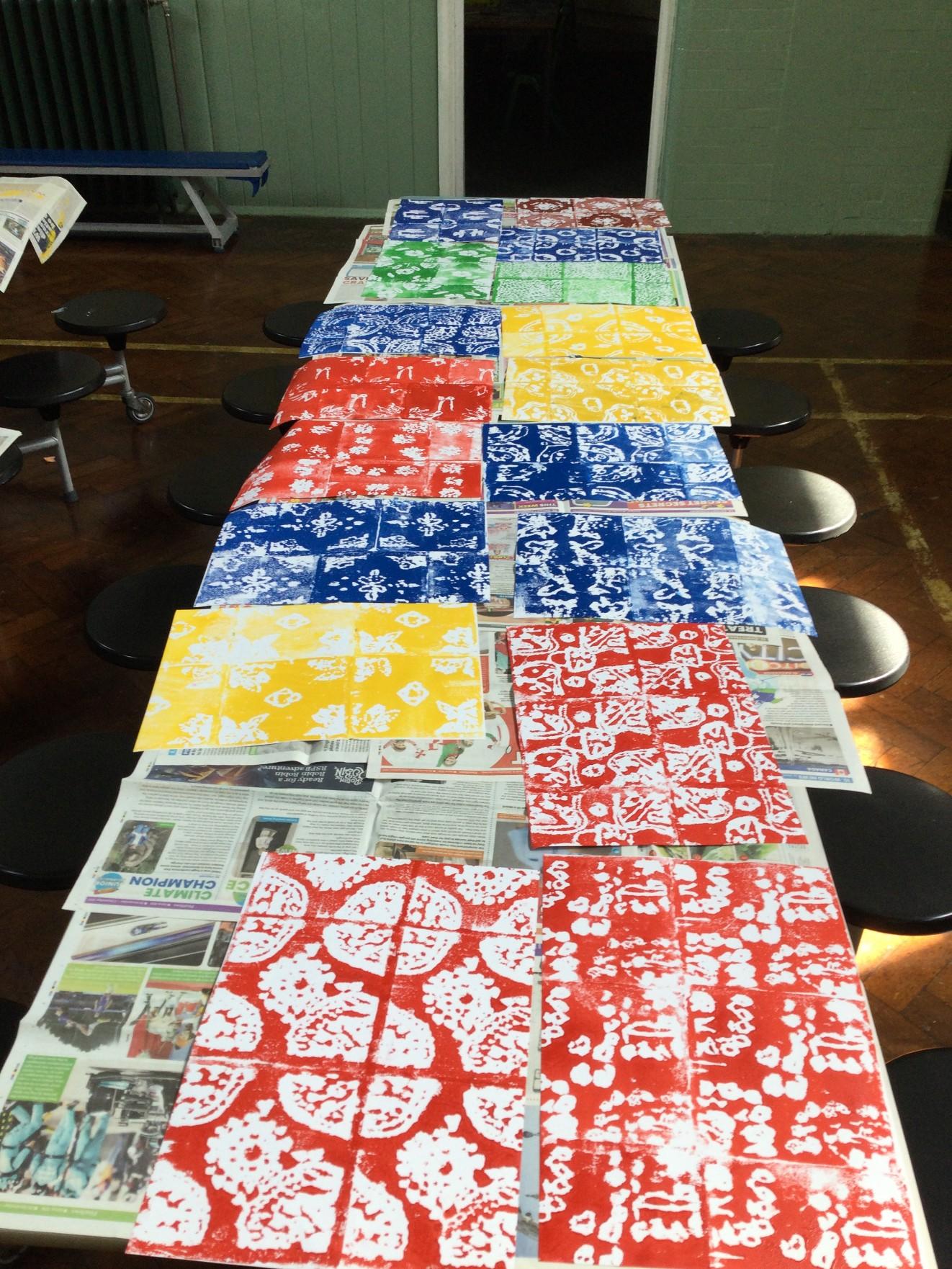
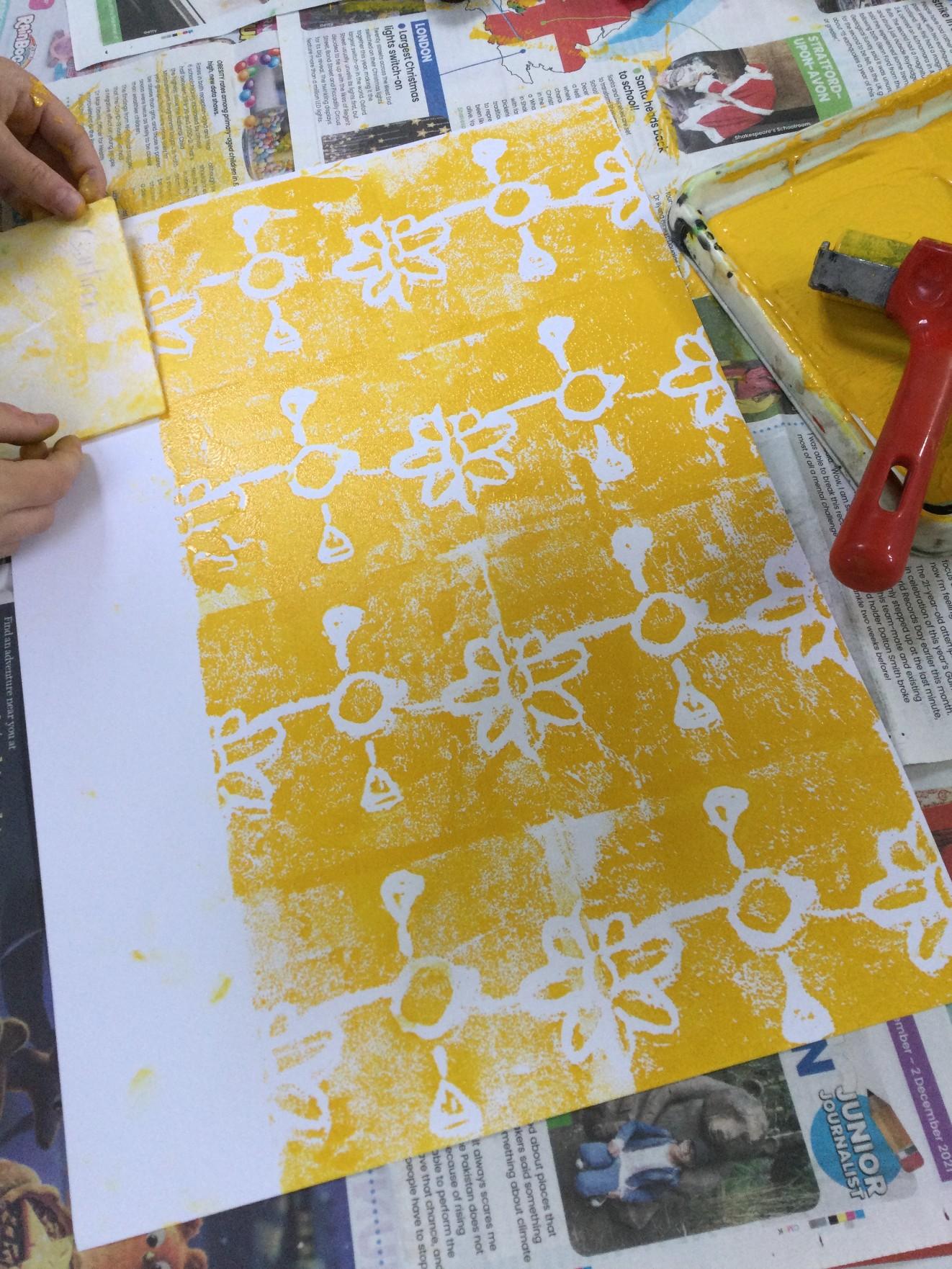
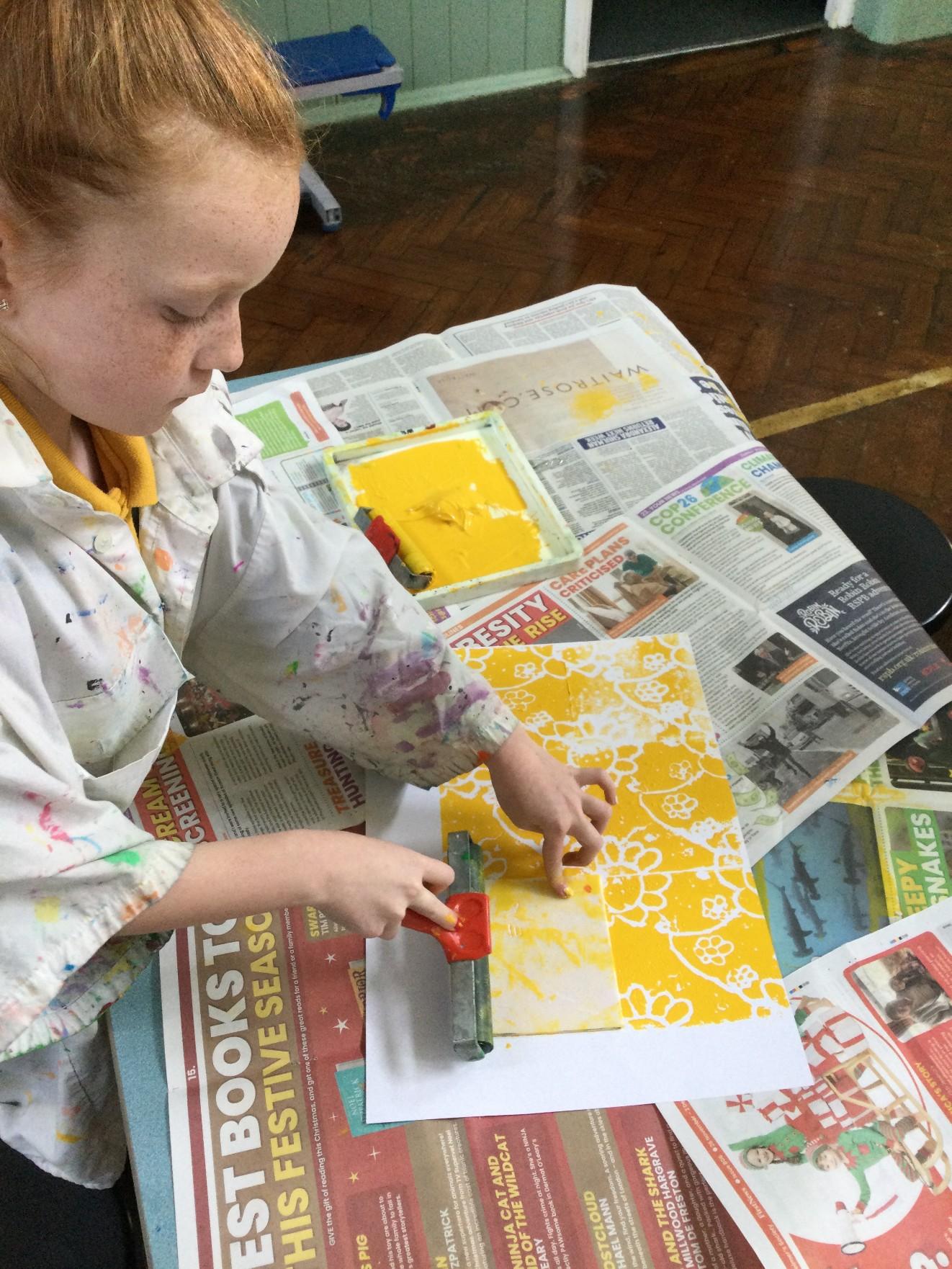
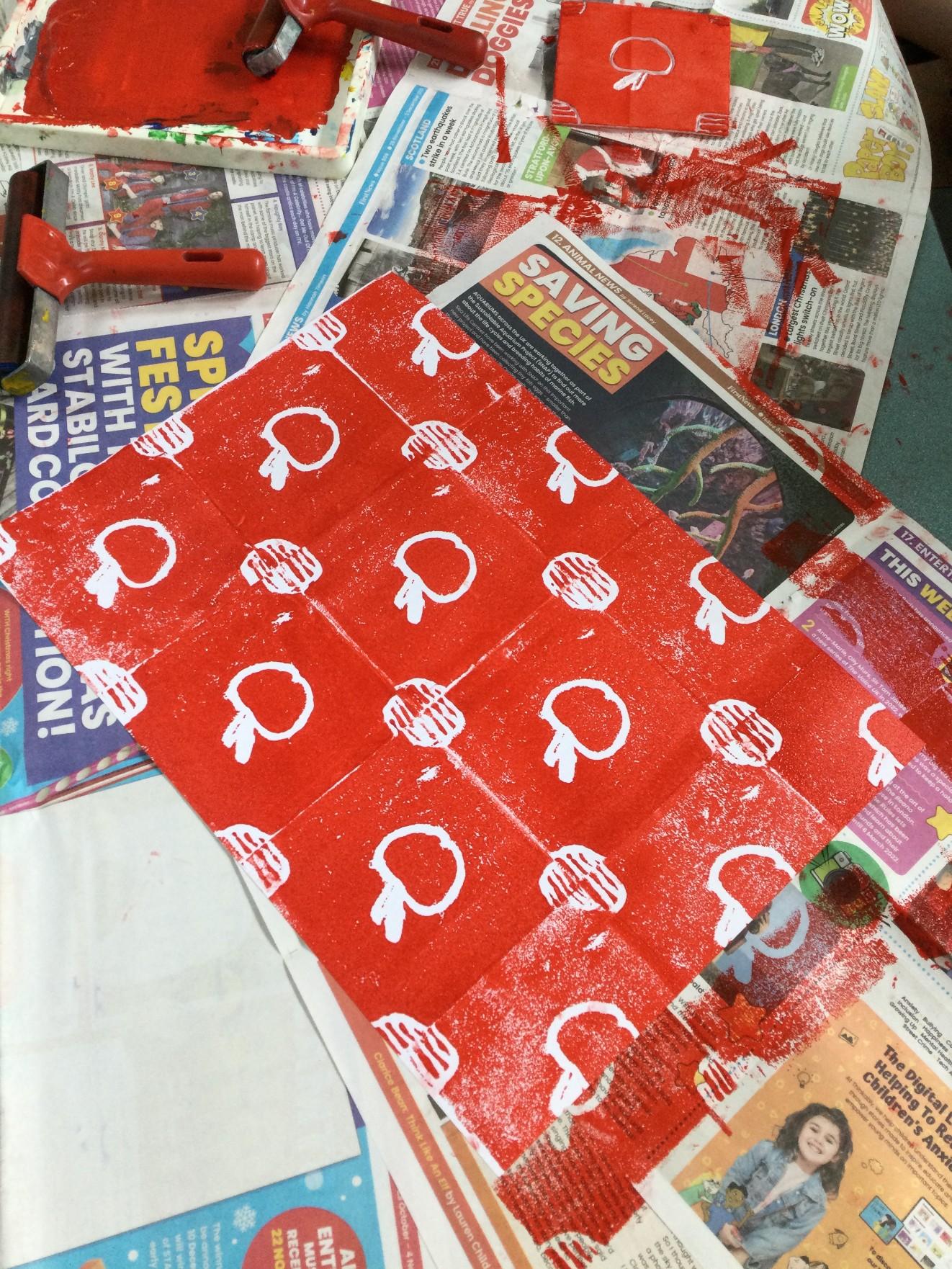
In the Summer term, pupils apply previously learned skills to draw from real objects, focusing on detail, accuracy, and expression. They then explore press printing to create simple repeat patterns, developing an understanding of design, symmetry, and composition.
"I really like art because it is mindful and calming to an artist like me."
"I really like art lessons because we get to learn about different artists and techniques"
Year 4
In Year 4, pupils continue to develop their artistic skills and creativity through a variety of media and cultural contexts, with a focus on refining techniques and exploring the work of notable artists.
During the first half of the Autumn term, children revisit self-portraiture, building on previous skills in proportion, shading, and expression. Greater emphasis is placed on refining detail and experimenting with different drawing materials. In Autumn 2, pupils expand their 3D skills by creating clay pots with added features such as handles. They learn techniques for joining clay securely and consider form and function in their designs.
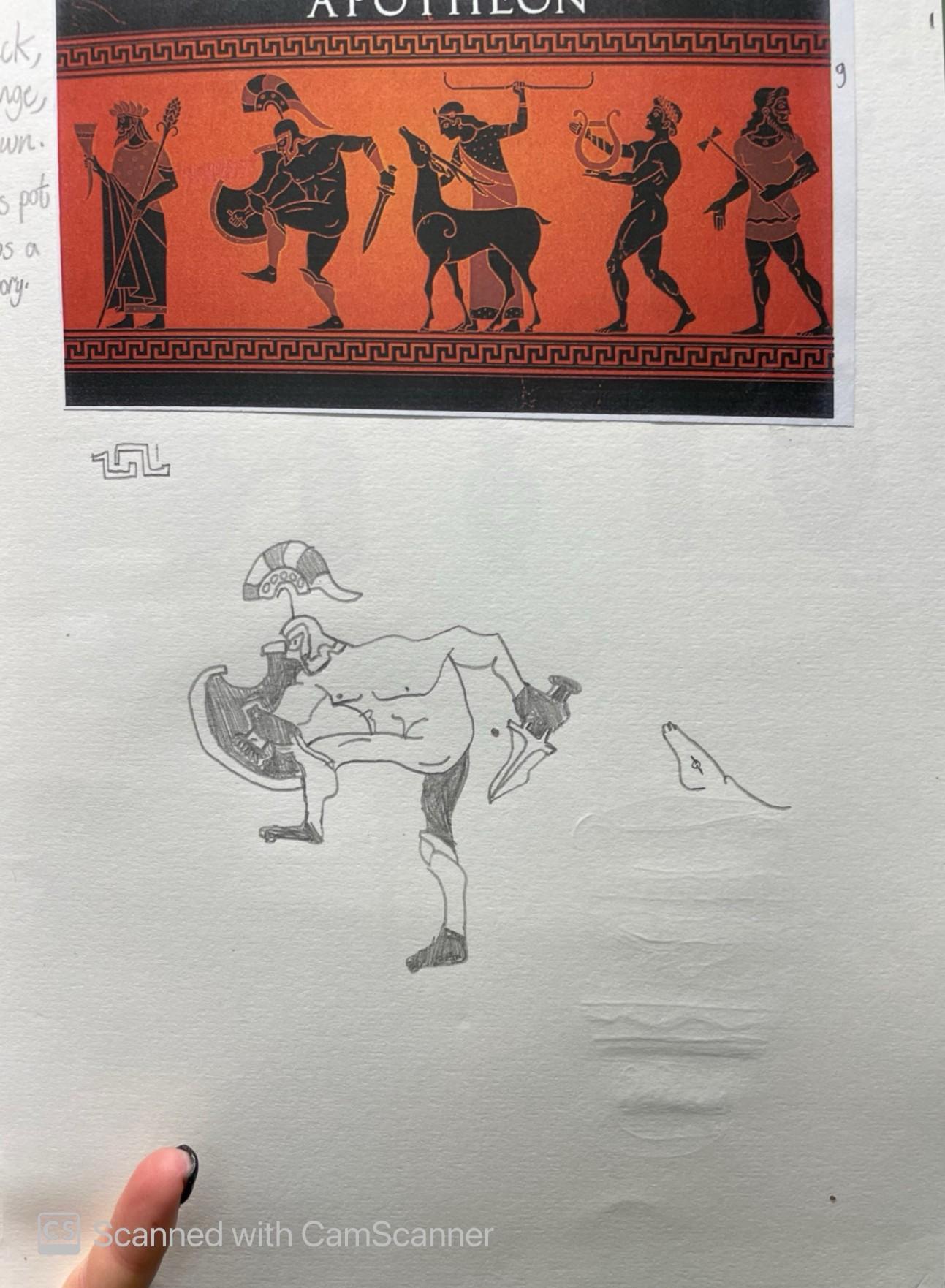
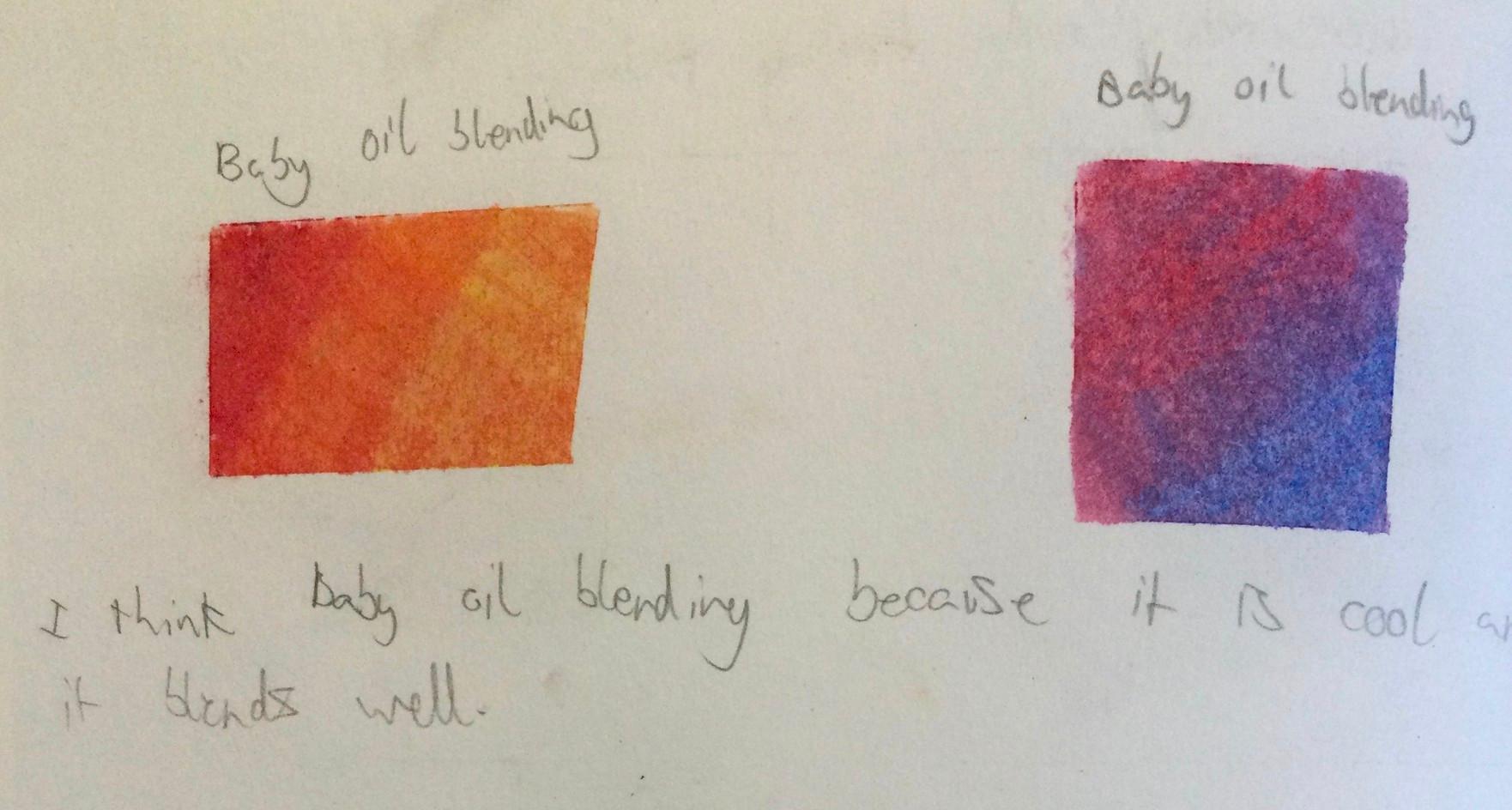
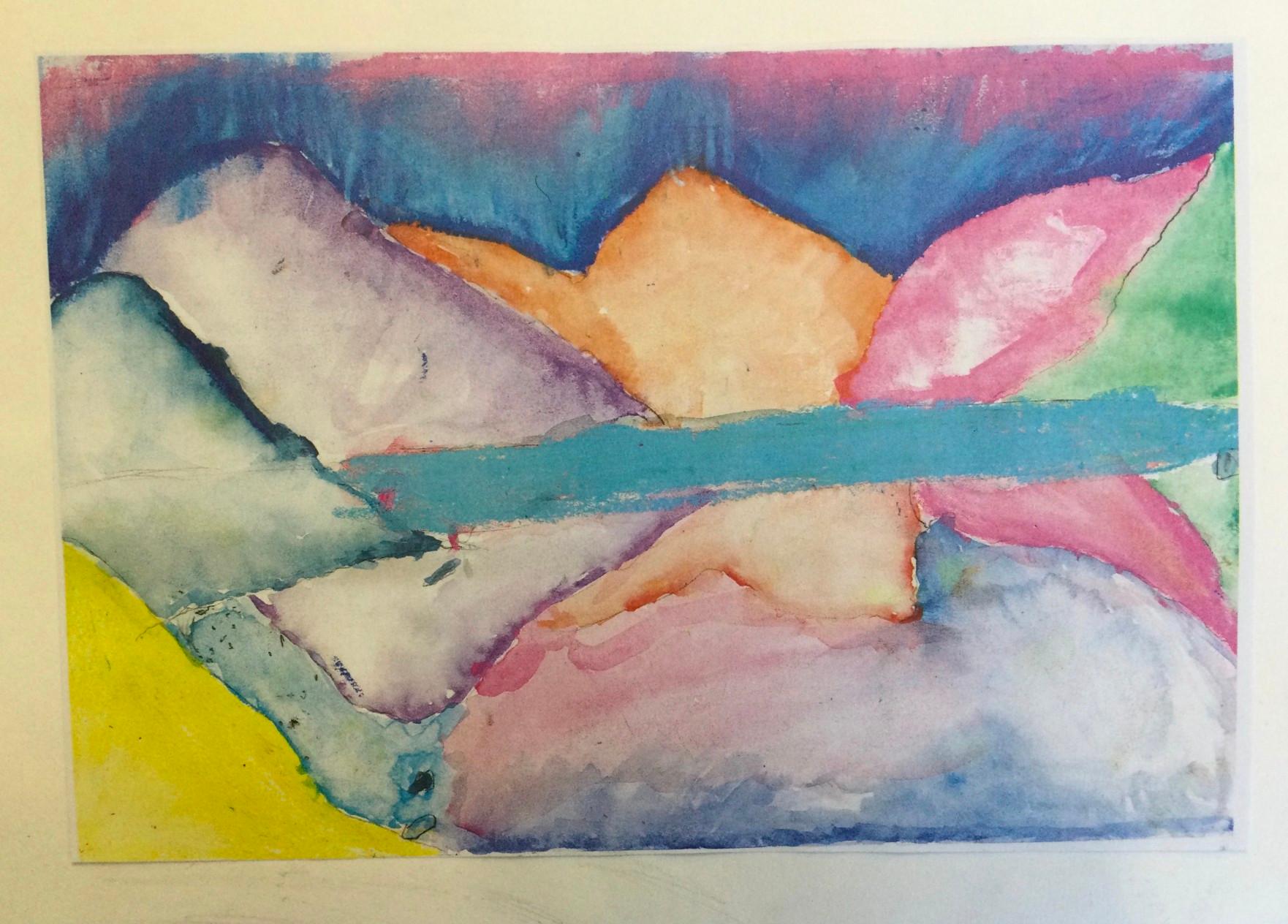
During the Spring term, children explore impressionist techniques through the work of Claude Monet. They experiment with watercolour and acrylic paints, focusing on light, colour blending, and brushwork to create atmospheric landscapes. The next unit introduces pupils to traditional Native American designs and symbols. They use printmaking techniques to create patterned and meaningful artworks, developing an understanding of cultural expression through art.
In the Summer term, children develop paintings inspired by Hokusai’s iconic work, pupils explore line, composition, and tone in sketching before applying watercolour techniques. This unit combines observational drawing with cultural appreciation and painting skills.
"I can be my own creative self"
"I really like art lessons because I can use different resources"

















Year 5
In Year 5, pupils further refine their artistic skills through a range of drawing, painting, and printing techniques. They explore the work of influential artists and make meaningful cross-curricular links, particularly with Geography.
In the Autumn term, children revisit self-portrait drawing, developing greater accuracy in proportion, expression, and shading. They build on previous skills and explore more advanced techniques using a variety of media. Inspired by Georgia O’Keeffe, pupils then experiment with watercolour techniques to create expressive landscapes. They learn to use colour, tone, and composition to evoke mood and atmosphere.
In the Spring term, children explore the vibrant colours, textures, and forms of rainforest flora and South American landscapes linked to their Geography topics. This unit strengthens observational skills and expressive use of colour. Pupils go on to study the work of William Morris, focusing on pattern, symmetry, and nature-inspired motifs. They create joined and repeat print designs, learning how to construct complex patterns with precision.
Children are introduced in the Summer term to one-point and two-point perspective, through the urban scenes of L.S. Lowry. They explore how to create depth and space in their drawings, using figures and buildings to reflect his distinctive style.
"I enjoy them because I like testing my abilities"
"it expresses creativity"
Year 6
In Year 6, pupils apply their developed art skills with increased independence and creativity. They explore more complex techniques and themes, making cross-curricular links with History and Geography, and studying influential artists and styles.
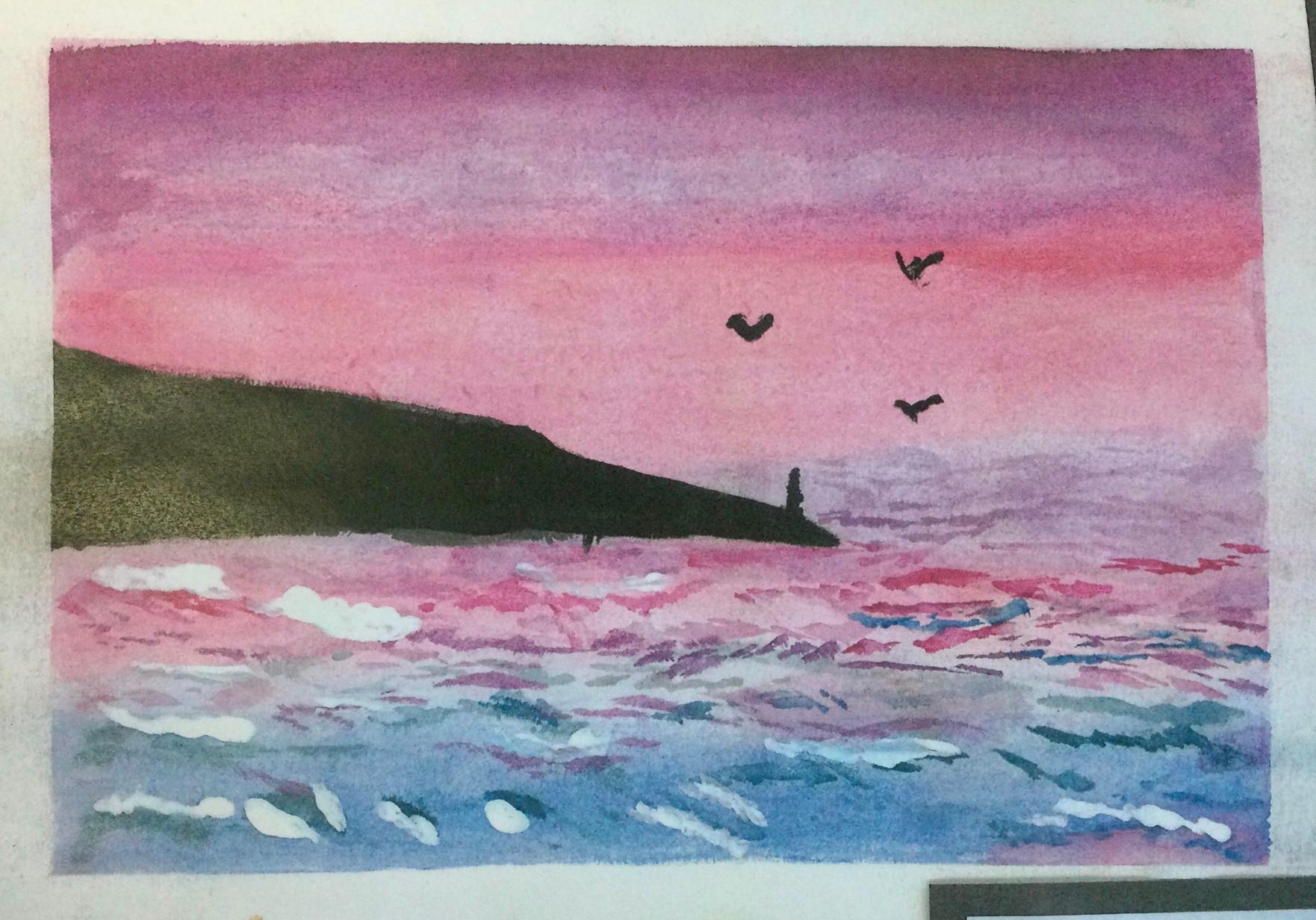
Children begin the year by refining their portrait drawing skills, focusing on proportion, shading, and expression. They use a range of media and techniques to create more lifelike and detailed representations. Inspired by the dramatic seascapes of J.M.W. Turner, pupils then explore watercolour techniques to capture mood, movement, and light. Emphasis is placed on colour blending and expressive brushwork.
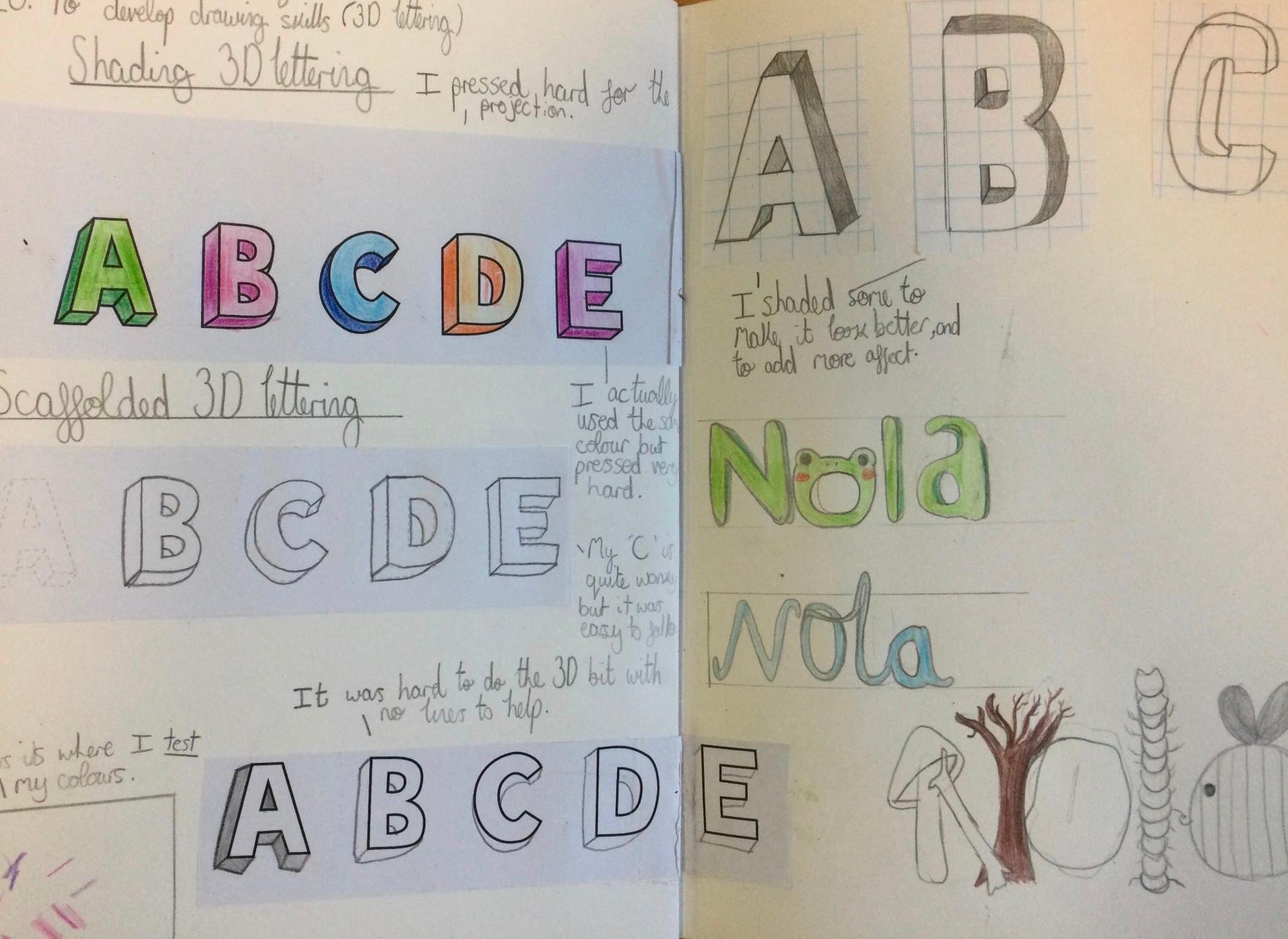
In the Spring term, children study the impact of propaganda art and design their own posters, linking to their WWII History topic. They experiment with typography, layout, and messaging to convey persuasive and powerful imagery. Following on from this, pupils then learn to draw the human figure in proportion, focusing on movement and posture. Linked to WWII scenes, they develop compositions that reflect emotion, action, and narrative.
In a cross-curricular link with their study of the Maya civilisation, children design and create a clay relief tile in the Summer term. They explore Maya symbols and patterns, learning techniques such as carving and building in low relief.
"I like art lessons because it helps me have more creativity and expands my imagination range"










Further information
Please find below our current Long Term Plan for History and Intent for the whole school Art curriculum

|
Art Intent | [pdf 44KB] |

|
|
|
Art LTP 25 - 26 | [pdf 232KB] |
|